Innovative Modular Homes: The Future of Belgian Housing
- koniggroupbelgium
- Jul 17
- 3 min read
The housing landscape in Belgium is undergoing a significant transformation. With rising property prices, increasing urbanization, and a growing emphasis on sustainability, traditional housing models are being challenged. Enter modular homes—a solution that promises to address these pressing issues while offering flexibility, efficiency, and modern design. This blog post explores the innovative world of modular homes, their benefits, and how they are shaping the future of housing in Belgium.
Understanding Modular Homes
What Are Modular Homes?
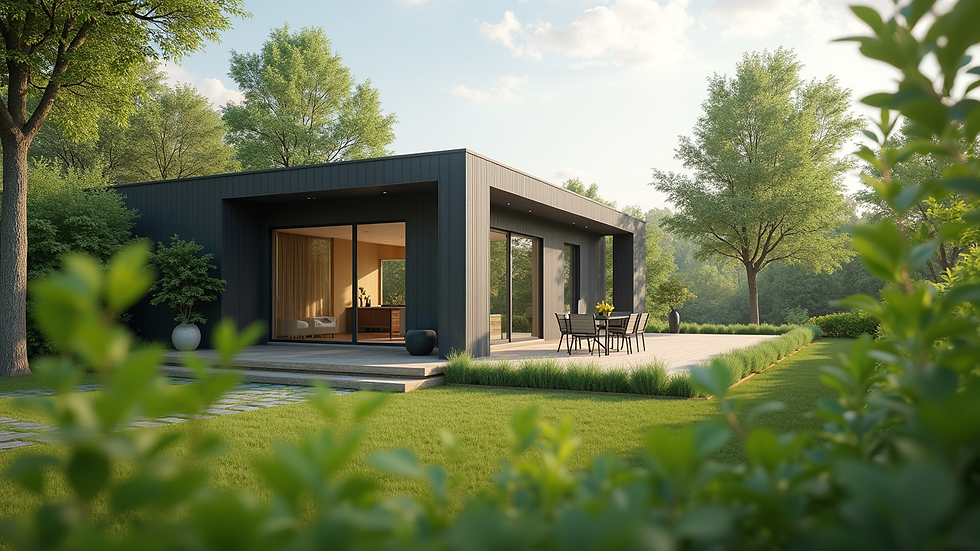
Modular homes are prefabricated structures built in sections or modules in a factory setting. These modules are then transported to the building site and assembled. Unlike traditional homes, which are constructed entirely on-site, modular homes offer a streamlined building process that can significantly reduce construction time.
Key Features of Modular Homes
Speed of Construction: Modular homes can be built in a fraction of the time it takes to construct a traditional home. While a conventional build might take several months, modular homes can often be completed in just a few weeks.
Cost-Effectiveness: The controlled environment of a factory reduces waste and labor costs, making modular homes more affordable. This is particularly beneficial in Belgium, where housing prices have soared in recent years.
Sustainability: Many modular homes are designed with eco-friendly materials and energy-efficient systems. This aligns with Belgium's commitment to sustainability and reducing carbon footprints.
Customization: Homebuyers can choose from various designs, layouts, and finishes, allowing them to create a space that reflects their personal style.
The Benefits of Modular Homes in Belgium
Addressing Housing Shortages
Belgium faces a significant housing shortage, particularly in urban areas. Modular homes can be a quick and effective solution to this problem. By utilizing available land more efficiently, modular homes can provide affordable housing options for families and individuals.
Enhancing Urban Development
As cities expand, the need for innovative housing solutions becomes more critical. Modular homes can be integrated into urban environments, providing modern living spaces without the lengthy construction timelines associated with traditional builds. This adaptability makes them ideal for urban infill projects.
Supporting Sustainability Goals
Belgium has ambitious sustainability goals, aiming to reduce greenhouse gas emissions and promote renewable energy. Modular homes can contribute to these objectives by:
Utilizing sustainable materials
Incorporating energy-efficient technologies
Reducing construction waste
Flexibility and Adaptability
One of the standout features of modular homes is their flexibility. They can be designed to meet various needs, from single-family homes to multi-unit dwellings. This adaptability is particularly valuable in a rapidly changing housing market.
Real-World Examples of Modular Homes in Belgium
Project 1: Eco-Friendly Modular Community in Ghent
In Ghent, a pioneering project has emerged that showcases the potential of modular homes. This eco-friendly community features a series of modular units designed with sustainability in mind. Each home is equipped with solar panels, rainwater harvesting systems, and energy-efficient appliances. The project not only provides affordable housing but also fosters a sense of community among residents.
Project 2: Urban Modular Living in Brussels
Brussels has embraced modular homes as part of its urban development strategy. A recent initiative involved the construction of several modular apartment buildings in previously underutilized areas. These buildings offer modern amenities and are designed to blend seamlessly with the surrounding architecture. The project has been well-received, demonstrating the viability of modular homes in urban settings.
The Future of Modular Homes in Belgium
Trends to Watch
As the demand for innovative housing solutions continues to grow, several trends are emerging in the modular home sector:
Smart Home Technology: Many modular homes are now being equipped with smart technology, allowing homeowners to control lighting, heating, and security systems remotely.
Increased Customization Options: Builders are offering more customization options, enabling buyers to tailor their homes to their specific needs and preferences.
Focus on Community: Future modular developments are likely to emphasize community living, with shared spaces and amenities that encourage interaction among residents.
Challenges Ahead
Despite their many benefits, modular homes face challenges that must be addressed:
Regulatory Hurdles: Building codes and regulations can vary significantly, making it essential for modular home builders to navigate these complexities.
Public Perception: Some potential buyers may still hold misconceptions about the quality and durability of modular homes. Education and awareness campaigns can help change these perceptions.
Conclusion
Modular homes represent a promising solution to Belgium's housing challenges. With their speed of construction, cost-effectiveness, and sustainability, they are well-positioned to meet the needs of modern homeowners. As more innovative projects emerge and public perception shifts, modular homes could very well become a staple of the Belgian housing market.
For those considering a new home, exploring the world of modular housing may be a step toward a more sustainable and efficient future. Embrace the change and discover how modular homes can redefine your living experience.


Comments